
Η πρόκληση
Το Συμβούλιο Συντονισμού ενώνει δημοκρατικές οργανώσεις που δεν μπορούν να λειτουργήσουν με ασφάλεια εντός της Λευκορωσίας. Τα μέλη είναι διασκορπισμένα και ορισμένα αντιμετωπίζουν πραγματικό προσωπικό κίνδυνο, επομένως η εκλογή έπρεπε να αντισταθεί στις παρεμβάσεις και να προστατεύσει τους ψηφοφόρους απόλυτα, ενώ παραμένοντας αξιόπιστη για την διεθνή κοινότητα.
Απαιτήσεις
Η ψηφοφορία έπρεπε να έχει δομική ουδετερότητα - κανένας ενιαίος φορέας δεν είναι δυνατό να ελέγξει τα αποτελέσματα ή να αποκαλύψει τους ψηφοφόρους - αυθεντική κρυπτογραφική μυστικότητα, ανθεκτικότητα στην κυβερνητική παρέμβαση και εποπτεία διεθνών παρατηρητών.
Πώς βοήθησε το Vocdoni
Η αρχιτεκτονική του Vocdoni σημαίνει ότι κανένας ενιαίος φορέας, συμπεριλαμβανομένου του Vocdoni, δεν κατέχει τα κλειδιά για τα αποτελέσματα ή τις επιμέρους ψήφους. Η κρυπτογραφική μυστικότητα προστάτευσε τους ψηφοφόρους ως θέμα γεγονότος, όχι πολιτικής, και η διαδικασία ήταν υπό την εποπτεία διεθνών παρατηρητών.
Αποτελέσματα
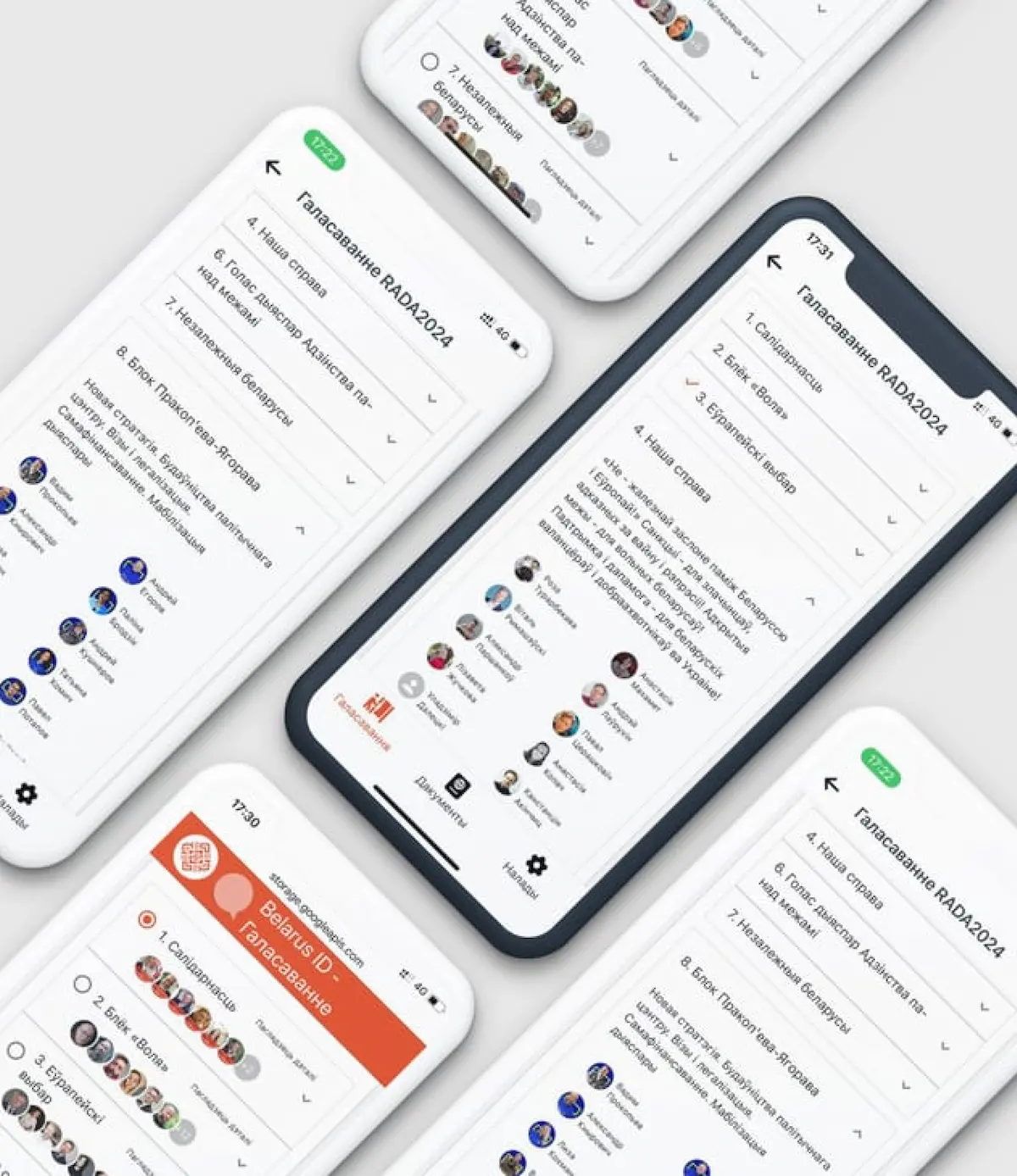
6.723 μέλη σε εξορία έψηφαν υπό την εποπτεία επτά διεθνών παρατηρητών, σε μια διαδικασία που ήταν ανθεκτική στην κυβερνητική παρέμβαση εξ ορισμού. Για αυτή τη κίνηση, αυτή η δομική ουδετερότητα ήταν η διαφορά μεταξύ μιας ψηφοφορίας που θα μπορούσε να συμβεί και μιας που δεν θα μπορούσε.